Museum Graphics & Icons Review
First Impressions of Museum
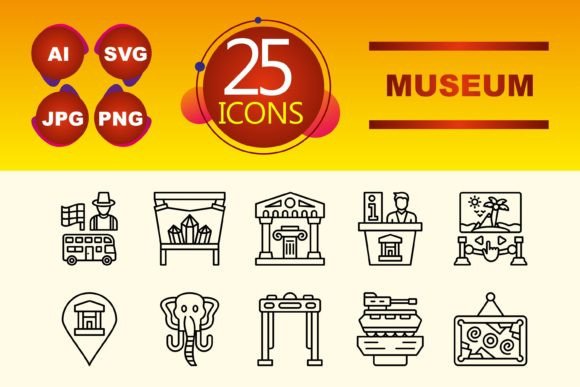
The Museum graphic design asset immediately evokes a sense of sophistication and cultural depth. Its clean line icon style offers a timeless aesthetic that feels both modern and classic. This set is ideal for brands aiming to communicate elegance, heritage, or intellectual appeal. The visual tone is subtle yet impactful, making it suitable for premium branding, lifestyle content, and editorial graphics.
Emotional Tone and Audience Perception
Museum icons create a mood of calm, refinement, and curiosity. They can help brands appear more trustworthy and professional, especially in industries like education, culture, or luxury goods. For small businesses, this design asset can elevate the perceived value of their marketing visuals without overwhelming the audience. It’s perfect for campaigns targeting educated, discerning audiences who appreciate thoughtful design.
Real-World Marketing Applications
Whether you're launching a new product, refreshing social media visuals, or building a content kit, Museum icons offer versatile utility. They work well in brand identity projects, helping to establish a cohesive visual language. In packaging design, they can add a touch of class to product labels. For digital ads, they provide a clean, recognizable element that enhances visual hierarchy without distracting from the main message.
Supporting Marketing Goals
Using Museum in your campaign can lead to a stronger first impression, as its elegant style captures attention while maintaining professionalism. It helps create clearer visual hierarchy by offering a consistent design element across multiple platforms. This consistency builds stronger audience trust and recognition, which is crucial for small business branding and long-term marketing success.
Best Uses for Museum
Museum excels in hero graphics, campaign headers, and product launch visuals where a strong, memorable image is needed. It works well as a branded template in Canva, allowing users to quickly create social media covers or email banners. For content bundles, it adds a polished look to printable designs and digital products. In editorial layouts, it serves as a decorative brand element that enhances readability and visual flow.
Caution: Where to Use Carefully
While Museum is powerful, it may not suit every project. In formal corporate branding, its minimal style might feel too understated. Dense information layouts can be cluttered if overused. Small mobile graphics may lose clarity, and low-contrast backgrounds could make the icons hard to see. Brands with an overly minimal aesthetic might find it adds unnecessary detail, and text-heavy ads could risk overshadowing the main message.
Practical Brand Designer Notes
Before finalizing Museum in your campaign, test it with your brand color palette to ensure harmony. Check how it looks in black and white to maintain visibility in different contexts. Place it inside real campaign mockups to evaluate its fit. Preview it on mobile screens to confirm readability at smaller sizes. Compare it against competitor visuals to ensure your brand stands out.
Font Pairing and Spacing Considerations
Museum pairs well with a variety of font styles. When used with serif fonts, it adds a classic touch; with sans serif, it maintains a modern feel. Script fonts can complement its elegance, while handwritten or display fonts may clash if not carefully balanced. Pay attention to spacing and balance to avoid visual overcrowding, especially in web design or digital ads.
Commercial Licensing and Legal Use
Always confirm the commercial license before using Museum in paid campaigns, client work, or business branding. This ensures compliance and protects your creative efforts. As a digital product, it’s ideal for creative marketplaces, where designers and marketers seek high-quality, ready-to-use assets. Whether you’re creating a Canva template or a printable promotion, Museum offers flexibility and reliability.
Conclusion: A Strong Design Asset for Content Creators
Museum is a valuable graphic design asset for anyone involved in branding, content marketing, or visual storytelling. Its ability to enhance visual hierarchy, build audience trust, and support professional branding makes it a must-have for small business owners and creative entrepreneurs. By understanding its strengths and limitations, you can use it effectively to elevate your marketing visuals and create more memorable campaigns.