Mental Health Graphics and Icons
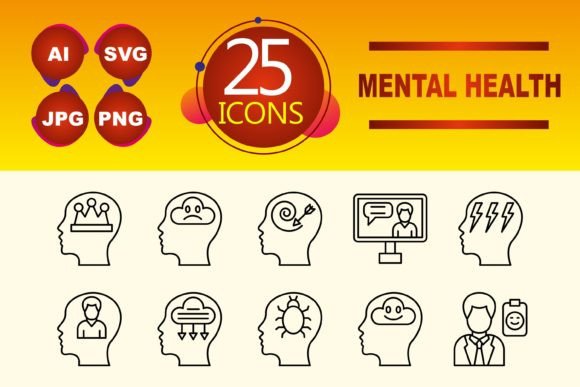
As a brand designer with years of experience, I’ve come across countless graphic design assets. Mental Health is one that stands out for its thoughtful approach to visual storytelling. The set of icons and graphics offers a balanced mix of simplicity and emotional resonance, making it ideal for small business branding, product packaging, and promotional materials.
The First Impression: Calm and Approachable
Mental Health immediately evokes a sense of calm and mindfulness. The style feels modern yet warm, suggesting a brand that values well-being and connection. This makes it perfect for businesses in the wellness, self-care, or lifestyle sectors. Whether it's a coffee shop looking to create a cozy atmosphere or a handmade soap brand aiming for a natural aesthetic, Mental Health can help establish the right tone.
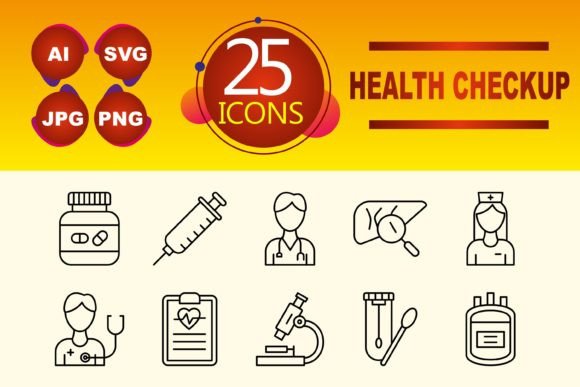
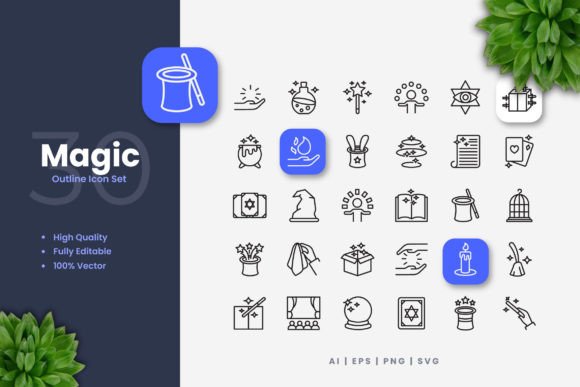
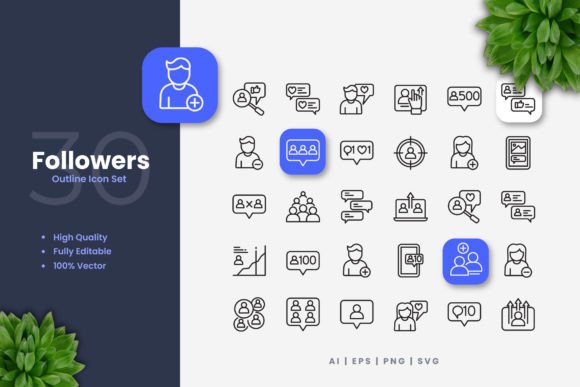
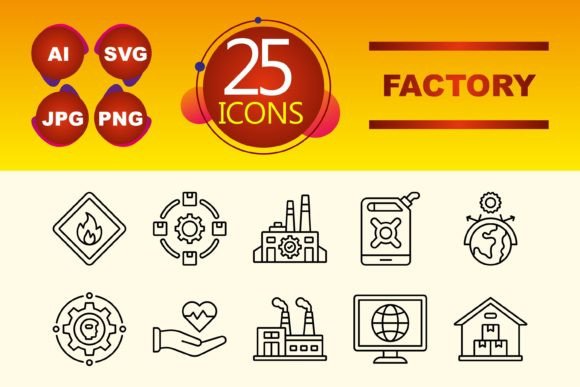
The icons are clean and versatile, suitable for both digital and print use. They don’t feel overly decorative, which means they can blend seamlessly into a variety of brand identities without overwhelming the design.
Real-World Applications for Local Businesses
When working on a local business project, such as a boutique skincare line or a children’s product brand, Mental Health can be a valuable addition to the design toolkit. It works well in logo design, where subtle iconography can reinforce the brand message without being too literal.
For product labels and packaging design, these graphics add a touch of sophistication without complicating the visual hierarchy. They can serve as accents on product boxes, hang tags, or even as part of a seasonal campaign. In a bakery or florist setting, they can be used in social media graphics or website banners to highlight offerings related to relaxation or self-care.
These icons also shine in printable design elements like thank-you cards, stickers, or menu graphics. Their clarity ensures they remain legible even when scaled down, which is essential for small business branding where every detail matters.
Supporting Business Presentation
Using Mental Health in a brand identity project enhances the overall presentation. It helps create a stronger first impression by adding visual interest without sacrificing professionalism. For a handmade business or a small food brand, this can make a big difference in how customers perceive the quality and care behind the product.
It also improves product recognition. When used consistently across packaging, marketing visuals, and digital platforms, these icons contribute to a more cohesive brand identity. This consistency builds customer trust and makes the brand more memorable.
Additionally, Mental Health supports better visual hierarchy. By using the icons strategically—such as in hero graphics or promotional banners—they draw attention to key messages without distracting from the main content. This is especially useful in editorial design or web design projects where clarity is crucial.
Where Mental Health Excels
Mental Health is best suited for product labels, packaging accents, and decorative brand elements. It works well in promotional banners, product mockups, and seasonal packaging. For a boutique store or a home decor shop, these graphics can elevate the overall look of the brand without needing a complete redesign.
They’re also great for social media campaign graphics. Whether it's a wellness-focused post or a holiday promotion, the icons can add a professional touch to any visual. For a candle brand or a children’s product line, they can enhance the storytelling aspect of the marketing visuals.
Where to Use With Caution
While Mental Health is versatile, it may not be the best choice for formal corporate branding. Its soft, approachable style might not align with a high-end or strictly professional image. Similarly, it should be used carefully on very small labels or crowded product packaging, where the details might get lost.
In layouts with a lot of text or legal information, the icons could compete with important content. Low-contrast backgrounds may also make the graphics less visible. For luxury minimalist brands, the design might feel too busy or not refined enough.
Practical Designer Notes
Before finalizing any design, it’s essential to test Mental Health on real packaging mockups. Check how it looks in black and white, as some clients may need monochrome versions for print. Preview it on small labels to ensure clarity at reduced sizes.
Test the graphics with your brand colors to see how they integrate. Compare them with competitor packaging to ensure your design stands out. Review PNG transparency for digital use and inspect SVG or vector files for editability if needed.
Experiment with different font styles—serif, sans serif, script, handwritten, and display fonts—to find the best match. Always confirm the commercial license before using the asset for client work, business branding, or physical product sales.
Whether you're designing for a small business, a handmade brand, or a local food vendor, Mental Health offers a flexible and effective solution. It’s a graphic design asset that can elevate your brand identity, improve product presentation, and support your marketing visuals in meaningful ways.