Biometrics: Graphics and Icons for Modern Design
As a graphic designer with years of experience in branding, marketing visuals, and digital product design, I always look for high-quality design assets that can elevate a client's project without compromising on style or functionality. Biometrics, a set of icons related to biometric technology, offers a unique visual language that can be both modern and versatile. But is it suitable for real-world client projects? Let’s explore.
The First Impression: A Tech-Forward Visual Language
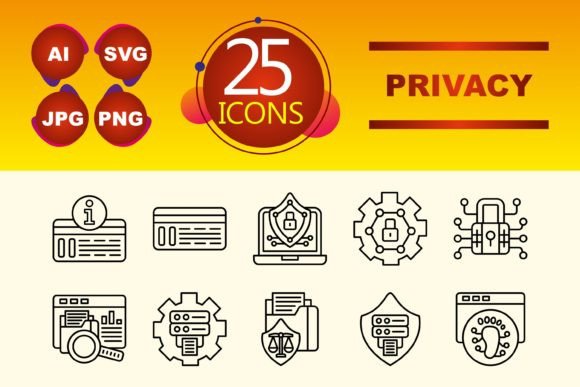
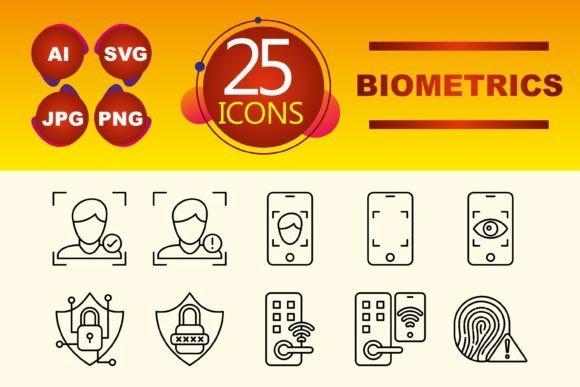
Biometrics immediately conveys a sense of innovation and precision. The icons are clean, minimal, and structured, making them ideal for tech-related projects or any design that requires a forward-thinking aesthetic. The line-based style suggests simplicity and clarity, which aligns well with modern design trends. This makes Biometrics a strong choice for brands looking to communicate trust, security, or digital integration.
For a small business launching a new app or a handmade brand wanting to incorporate a tech-savvy element into their packaging, Biometrics could provide the perfect visual touch. It doesn’t scream "techy," but it subtly reinforces the idea of modernity and efficiency.
Real-World Application: Where Biometrics Shines
When working on a client project, I often consider how a design asset will perform across different mediums. Biometrics excels in large layout areas, such as hero graphics for websites, product mockups, or social media posts. Its clean lines and consistent style make it easy to integrate into a broader design system without clashing.
For a print-on-demand seller creating t-shirts or mugs, Biometrics could serve as a subtle yet effective decorative element. In a Canva template, it could add a professional touch to a presentation or infographic. For a Cricut project, the SVG design format ensures scalability and precision, making it ideal for sticker design or custom labels.
Biometrics also works well in themed collections or campaign visuals. If a client is running a seasonal promotion or a local event, these icons can help create a cohesive visual identity that feels polished and intentional.
Best Fit: Creative Projects That Embrace Modern Aesthetics
Biometrics is best suited for creative design projects that embrace a modern, tech-inspired look. It fits naturally into branding for startups, digital products, or any project that benefits from a streamlined visual hierarchy. For a handmade business looking to stand out online, Biometrics could be used in social media graphics or Etsy product listings to add a professional edge.
In editorial design, these icons can enhance infographics or data-driven content. In web design, they can support navigation elements or interactive features. For a small business owner focused on branding, Biometrics could be part of a larger design bundle that includes logos, packaging, and marketing visuals.
Where to Use With Caution
While Biometrics has many strengths, it’s not a one-size-fits-all solution. In minimalist branding or professional corporate materials, its simplicity might feel too basic or lack the visual impact needed. Similarly, in crowded layouts or complex backgrounds, the icons may get lost or appear unbalanced.
For a client project that requires a very clean visual hierarchy, Biometrics might need to be paired with other design elements to ensure clarity. In low-contrast designs or when used at small sizes, the details may not be as visible, which could affect readability and user experience.
Design Considerations: What Every Designer Should Check
Before using Biometrics for a client project, there are several practical steps every designer should take. First, test it in black and white to see how it holds up without color. Check contrast on both light and dark backgrounds to ensure visibility. Preview it at small and large sizes to confirm it remains legible and visually appealing.
Place it on real mockups—whether for a product label, a website banner, or a social media post—to see how it integrates with the overall design. Test print quality if it will be used in physical formats like t-shirts or packaging. Review file formats, especially if you're working with SVG or PNG designs, and inspect transparency if applicable.
Compare it with different font styles—serif, sans serif, script, or display fonts—to ensure it complements the typography. Finally, confirm the commercial license before using it for a client or business project. This is crucial for ensuring legal compliance and avoiding any potential issues down the line.
Why Biometrics Matters in Professional Design Work
Biometrics isn’t just another set of icons—it’s a tool that can enhance the visual mood and professionalism of a design project. When used correctly, it supports brand consistency, strengthens visual trust, and improves audience engagement. For a designer working on a printable design, a digital product, or a commercial design, Biometrics can be a valuable addition to the creative toolkit.
Whether you're designing for a small business, a handmade brand, or a digital marketplace, Biometrics offers a flexible and modern approach to visual storytelling. It’s a reminder that even the smallest design elements can have a big impact on the final result.